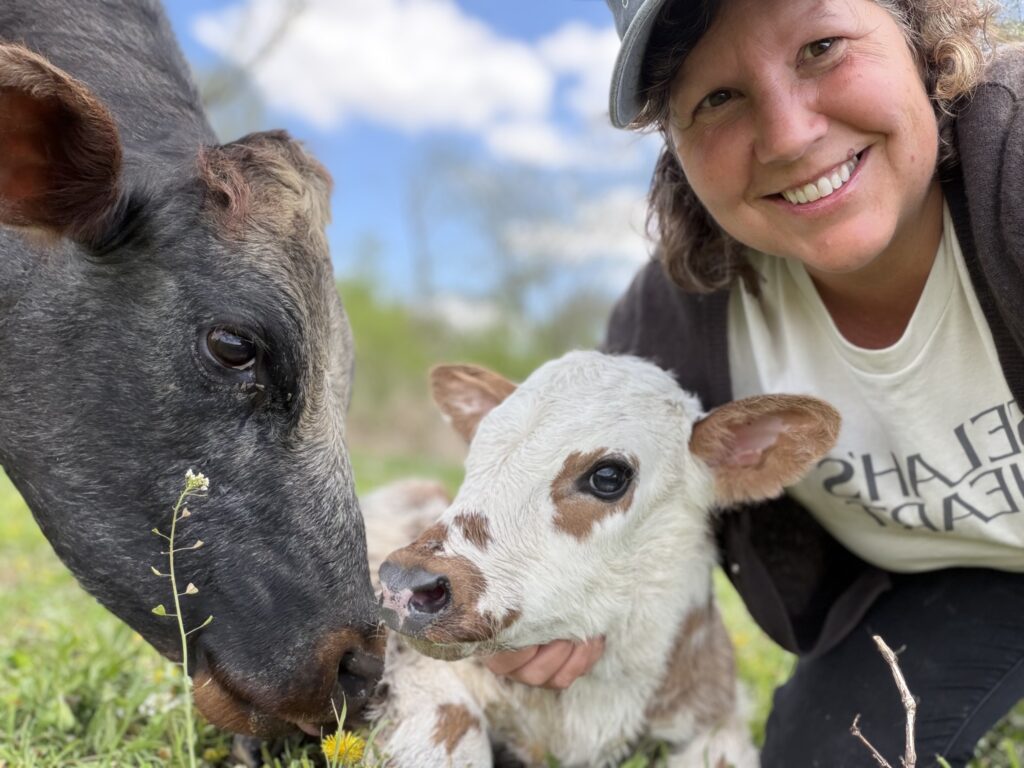
A new calf was born on our farm this week and we are so happy to be back in the abundance of milk!
Our family has enjoyed cottage cheese, yogurt, and plenty of chocolate milk this week so far. We’ll soon be making hard cheeses, but what we cherish most is colostrum, the ‘first milk.’ While I grew up knowing about colostrum’s health benefits and even taking supplements, I only recently began to truly value and use the colostrum from our own cows for my family’s well-being.
You might be asking, "What is colostrum?"
Colostrum is the first form of milk produced by mammals, including humans, immediately following the birth of a newborn. Colostrum is vital for newborn mammals. Although many parents, especially breastfeeding moms are aware of the highly nutritious first milk, using colostrum for health purposes had/has largely fallen by the wayside. Here’s why, before the commercialization of dairy in the late 1800s, Americans sourced all their dairy needs from their own Family milk cow, a neighbor’s family milk cow or small family-owned dairies. And all milk was raw.Colostrum was highly valued as a nutritious food and even medicine. Farmers would share the highly nutritious colostrum from their cows with neighbors, especially those neighbors that had young children. It was a great honor to receive some of a neighbor’s prized colostrum as a gift. Colostrum was also highly valued during the civil war for its regeneration and restorative properties and at the time was used as a natural antibiotic.
During America’s industrial revolution when pasteurization was required for the sale of raw milk, colostrum was no longer valued as a food source because it could not be pasteurized and monetized. Colostrum when heated turns into a custard type consistency because it has an extremely high concentration of whey proteins and immunoglobulins (antibodies) compared to regular milk. When it is heated these proteins unfold and rearrange themselves and coagulate into a soft jell.
Colostrum has become increasingly popular in recent years as a supplement with potential health benefits for people of all ages. These supplements are available in powdered form, much like protein powder, or as capsules. I believe I have even seen one colostrum supplement marketed as a hot chocolate mix. While I have not tried any of these supplements, I can be almost certain that they taste better than the large chalky tasting chewable colostrum pills that my siblings and I had to take during our growing up years!
Here are some of my favorite things about the nutritional profile of Colostrum:
Colostrum contains 5 times more whey protein and up to 80 times more immunoglobulins than mature whole milk.
Colostrum is very nutrient dense andprovides concentrated proteins, fat-soluble vitamins (A, D, E), and essential nutrients in easy-to-digest amounts.
Colostrum supports gut health, by fostering the growth of beneficial bacteria. It can help seal and protect the intestinal lining, preventing leaky gut syndrome,
About the colostrum on our farm:
A few days before a cow gives birth her udder fills up with colostrum and usually within an hour of being born that calf is up and has a drink of colostrum. After that first drink of colostrum I have watched calves become energetic and vigorous! If a calf is born weak, in the case of twins, premature birth, or even birthing complications we will milk colostrum from his mama and bottle feed to ensure he gets some of that early colostrum which is thick, golden and super sticky! A calf that hasn’t had first day colostrum has a slim chance of survival.
After that first day the colostrum starts diminishing and the real milk takes over. Gradually there will be more real milk and less colostrum.
We like to use the first day colostrum, mix it with maple syrup and a pinch of salt and bake it at 300°F until it is set. This tastes like a butterscotch custard.
As the colostrum diminishes and the milk increases, we just mix the colostrum in and make chocolate milk.
How We Make Chocolate Milk
In a shaker bottle mix:
½ cup very hot water
½ cup unsweetened cocoa
½-1 cup sugar
A splash of vanilla
A pinch of salt
Add this to 1 gallon milk or milk and colostrum.
Yes, the calf still gets plenty of milk.
Because our cows are dairy breeds, they have the genetics for producing as much as 8-10 gallons of milk a day. A cow’s body will also respond to the demand for milk. So, if the calf is drinking milk every 2-3 hours all day and I show up once a day to fill a bucket of milk for the house, her body will respond and create the amount of milk needed to feed her calf and fill my bucket.
Another beautiful trait of cows is their natural tendency to reserve a portion of their milk for their calves. When milked, a cow may only provide part of her milk, instinctively withholding some to ensure it remains available for her offspring.
Although the family enjoyed the health benefits of colostrum this week, the calf still got plenty of colostrum for himself. And although we will be bringing gallons and gallons of milk into the house over the next few months, the calf will grow big and fat on his mama’s milk too!








One Response
Wow, a beautiful experience. 😍