September 28th -October 3rd, Week 27 – Preserving Apples
RuthAnn’s Weekly Garden Diary
Documenting Progress and Reflections in the Garden
My attempt to document the planting, growth, harvesting, and preserving of our family’s 8000 square feet of garden.
Northeast Iowa Gardening in growing zone 4
Last frost date May15, First frost date September 15
September 28th -October 3rd, Week 27
Abundant sunshine returned along with the arrival of October! Statistics tell us that we have experienced the rainiest and wettest September in 100 years! And while this is good for the grazing part of the homestead it brings it’s challenges to the gardening side of the homestead!
What we harvested this week:
Hands full of red raspberries for fresh eating
Bouquets of zinnias
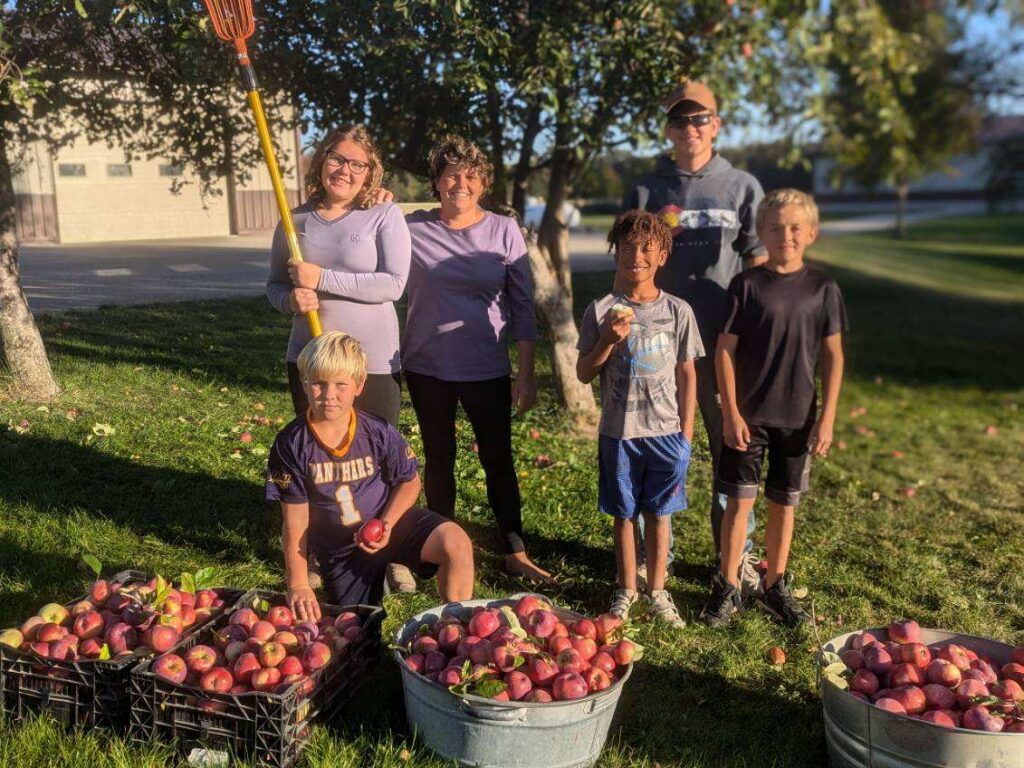
Bowls full of Jonagold apples we picked up from the ground and dehydrated for winter snacks. And lots of apple crisp.
Celery for cooking needs
Carrots for cooking needs
Bell and hot peppers for cooking. (Hello Philly cheesesteaks)
Garden Talk:
Let’s talk about apples! Before global supply chains and modern refrigeration, people relied heavily on apples to help prevent starvation during the winter. Apples are one of the few fruits that can be stored for months without spoiling in root cellars, providing essential nutrients such as vitamin C throughout the winter and into early spring. As stored apples began to deteriorate, people dried them, cooked them into shelf-stable apple butter, or fed them to livestock to help the animals survive the cold months.
Today, this sustenance crop, does not receive the recognition it deserve. Because many varieties are readily available at grocery stores year-round at affordable prices, few people view apples as a survival crop or know how to preserve them for long-term use.
In this blog post, I will explain the different ways to preserve apples’ nutrients so they can support your family’s nutritional needs throughout the winter.
Before our apple trees produced enough fruit to meet our family’s needs, we gleaned apples from trees throughout the community. Apple trees can live for 35–100 years, so many homeowners have mature trees but lack the skills or knowledge to preserve their abundant harvests. As a result, the fruit often rots on the ground while they spend their hard-earned money buying perfect, wax-coated apples at the grocery store. One simple post on Facebook announcing that we would gladly take unwanted apples filled our pantry with fresh fruit and homemade apple products for years, while we waited for our own trees to mature.
Here is how to treat apples as a survival crop in modern day America!
Let’s pretend you either picked 3 bushels of apples from your own tree or just arrived home after picking from a neighbor’s tree!
You also picked up the best apples from the ground and have those in a separate basket!
Don’t wash any apples at this point.
1: Cold storing apples
Use an imitation root-cellar storage method.
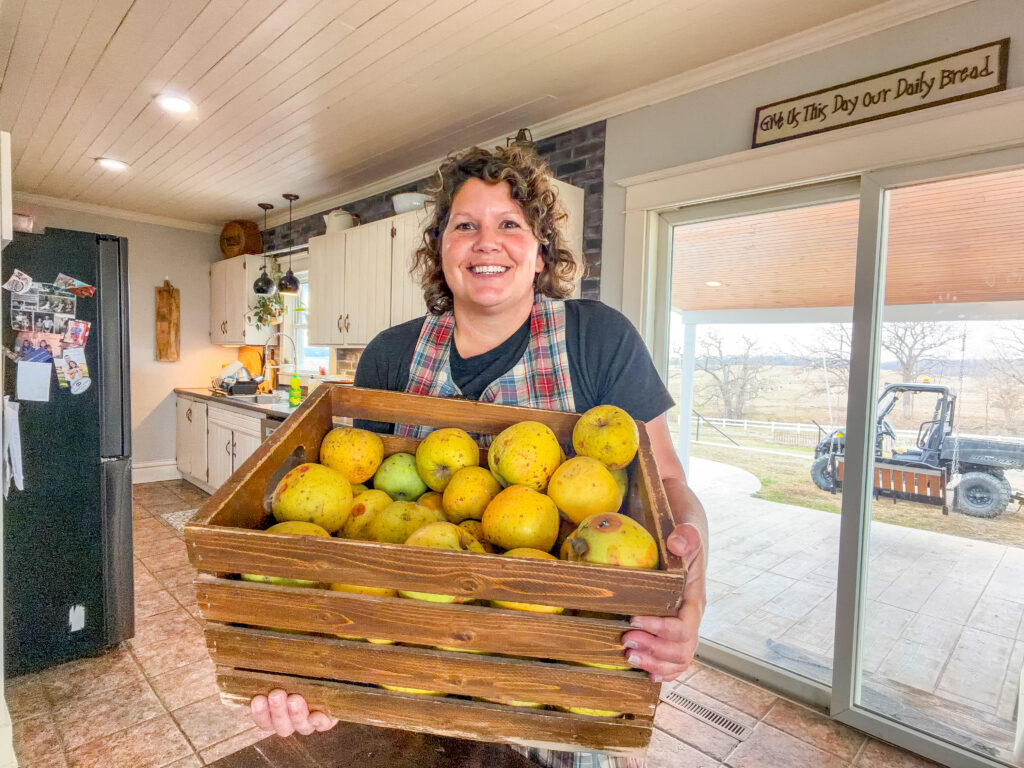
Store only perfect apples. Sort through them carefully and select those without blemishes or wormholes. (Watch this video to learn how to prevent codling moth damage.) This method is intended for people who do not have a root cellar; those who do likely already know how to store apples.
Place the selected apples in large plastic bags, such as 2-gallon zip-top bags. Leave the bags open and store them in the refrigerator for six to eight months, depending on the variety. Generally, tart, firm apples keep longer, while softer, sweeter varieties have a shorter storage life. If you do not know the variety, use texture and flavor as a guide.
Keep in mind that apples are porous and can absorb odors from other foods. Storing them in a crisper drawer provides some separation. Alternatively, consider using an economical secondhand refrigerator in the garage exclusively for apple storage.
You can also wrap each apple in a paper towel. This helps control humidity inside the bag and prevents one spoiled apple from affecting the others.
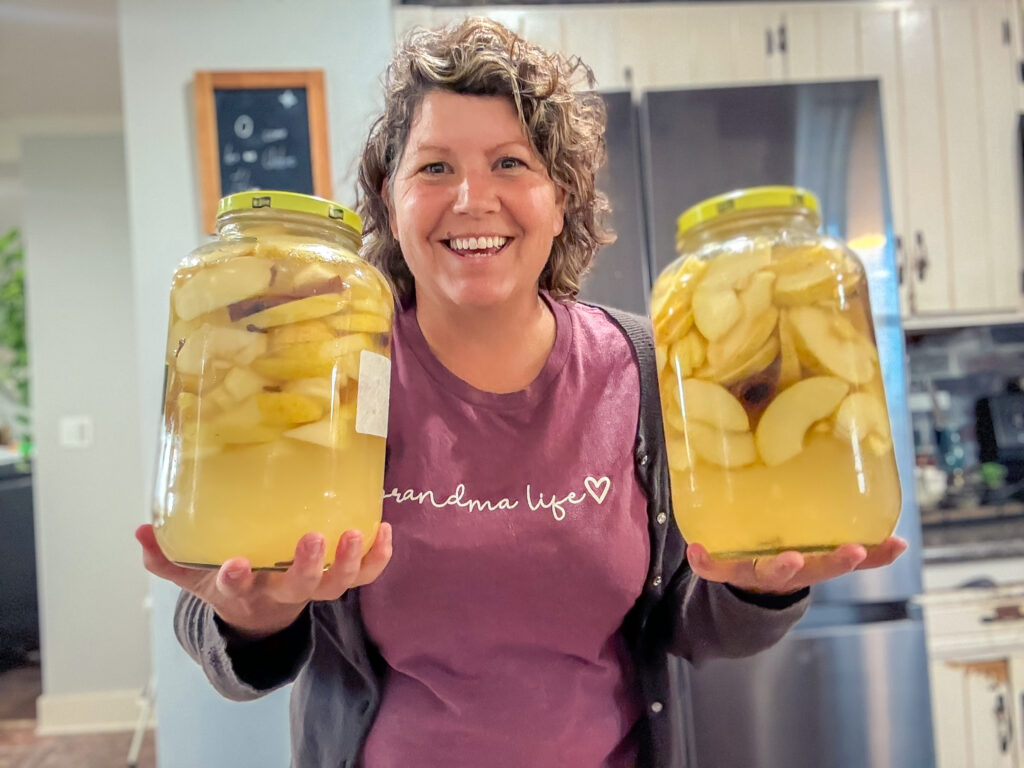
2: Fermented apples
Start by fermenting any apples that are slightly imperfect. Raw apples contain bound nutrients, which can make them more difficult for the body to absorb. Fermentation breaks down the fruit’s firm cell walls and fibres, helping release its natural antioxidants and nutrients into smaller, more active molecules that the body can absorb and use more easily.
Fermented apples can be stored in the refrigerator for up to six months. Learn how to ferment apples here: YOUTUBE VIDEO
3: Dried apples
A perfect, nutrient-dense, shelf-stable snack!
Next, dehydrate (or freeze-dry, if you have a freeze dryer) some slightly blemished apples. In the fall, our dehydrator runs almost every day of the week so we can prepare gallons of dried apples for winter snacks.
I like using my apple peeler, corer, and slicer for this task because it creates evenly sized slices, helping the apples dry at the same rate. You can buy one here.
Here is to all of us leaning into the idea of sustenance gardening. The kind of gardening where we eat what we grow, not only during the growing season but for many months during the winter too.
Thank you for following along with my Garden Diary. I appreciate you!
Growing up in California, we had a red delicious and a yellow delicious tree in our yard for fresh eating. In fall we would go to a cider mill along the coast in Watsonville and buy a peach bin full of apples to bring home and turn into fresh cider. I recently brought the cider press we used into my home and hope to use it again. It needs some repair work as it’s been sitting in a garage unused for several years. There’s nothing quite like fresh pressed cider!
Our apple trees all succumbed to a late freeze. I was able to get my hands on some pears that I could turn into pear butter. We were ho
Ing to make apple butter but this works just as well.
i’m a very slow reader and it takes me months to read books. I literally was unable to put your book down!!!! I read it in 3 days!!’. I love it!! I can’t wait for your cookbook!!
You have been my canning inspiration. I began canning 3 years ago at age 75. Your teaching and methods encourage me greatly. I’m so blessed to have found you. Love you and your family.




8 Responses
Growing up in California, we had a red delicious and a yellow delicious tree in our yard for fresh eating. In fall we would go to a cider mill along the coast in Watsonville and buy a peach bin full of apples to bring home and turn into fresh cider. I recently brought the cider press we used into my home and hope to use it again. It needs some repair work as it’s been sitting in a garage unused for several years. There’s nothing quite like fresh pressed cider!
Our apple trees all succumbed to a late freeze. I was able to get my hands on some pears that I could turn into pear butter. We were ho
Ing to make apple butter but this works just as well.
Congratulations on a new grandbaby!
i’m a very slow reader and it takes me months to read books. I literally was unable to put your book down!!!! I read it in 3 days!!’. I love it!! I can’t wait for your cookbook!!
I always enjoy your garden journal entries. So much knowledge! Thank you! ❤️ xo
Thanks for sharing 💜 I really enjoy reading and learning feeling like I’m part of the Family 😇
God Is Good ✝️
Thank you RuthAnn for always sharing your wealth of knowledge. God’s blessings on you and your family.
You have been my canning inspiration. I began canning 3 years ago at age 75. Your teaching and methods encourage me greatly. I’m so blessed to have found you. Love you and your family.