Documenting Progress and Reflections in the Garden
My attempt to document the planting, growth, harvesting, and preserving of our family’s 8000 square feet of garden.
Northeast Iowa Gardening in growing zone 4
Last frost date May15, First frost date September 15
October 4th - October 10th, Week 28
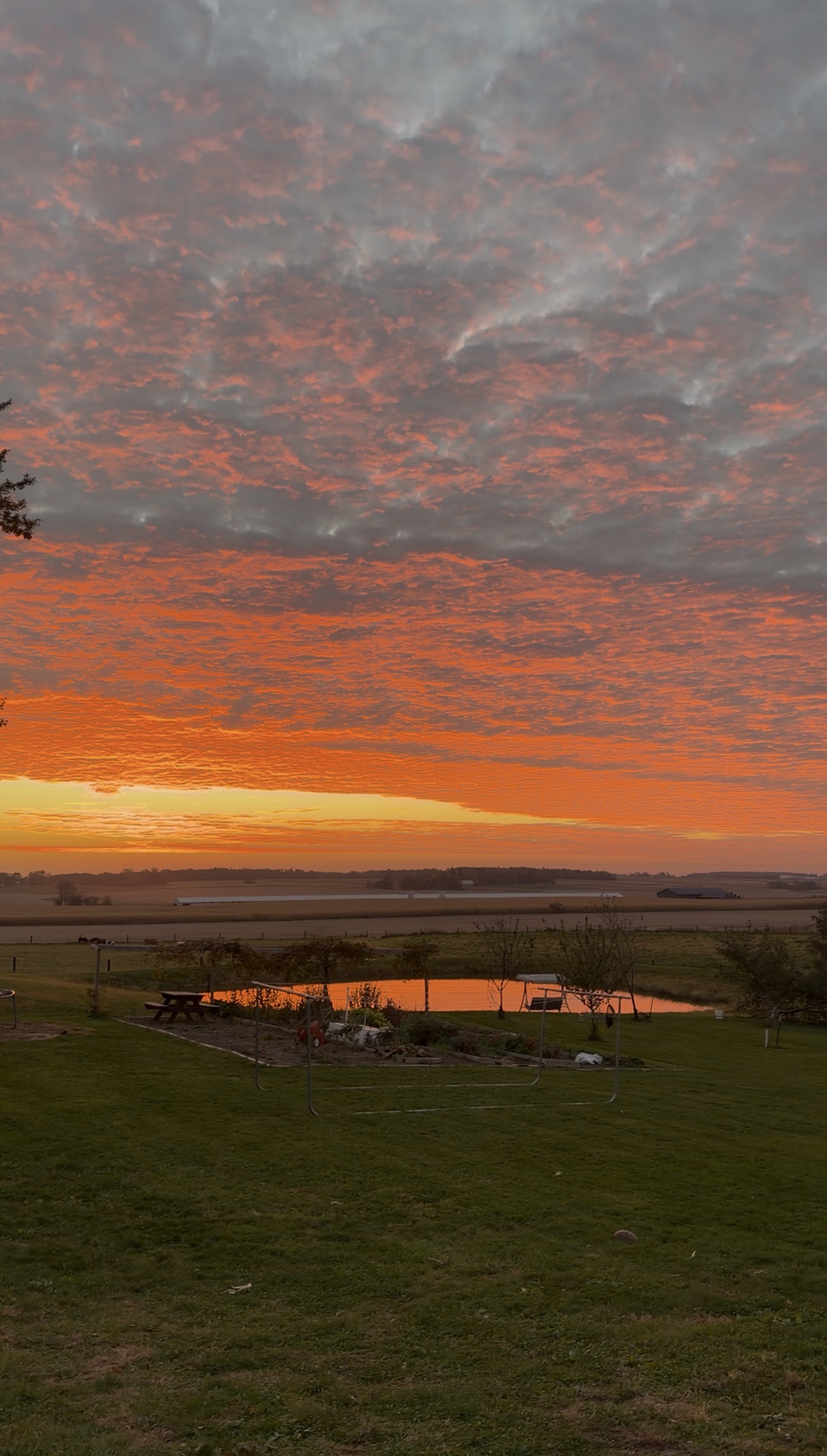
A perfect fall week: plenty of sunshine, chilly mornings and evenings, and warm daytime temperatures. It’s the kind of weather that lulls me into complacency, until the forecast calls for frost and sends me into full-blown crop-saving mode!
What we harvested this week:
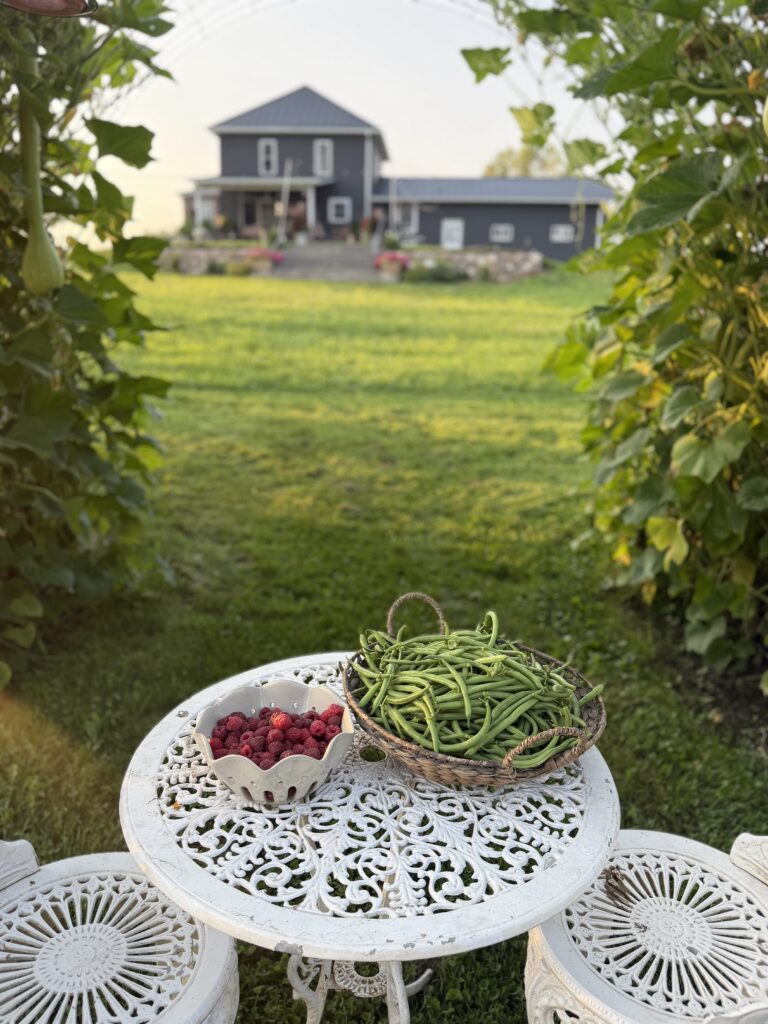
Just a few red raspberries.
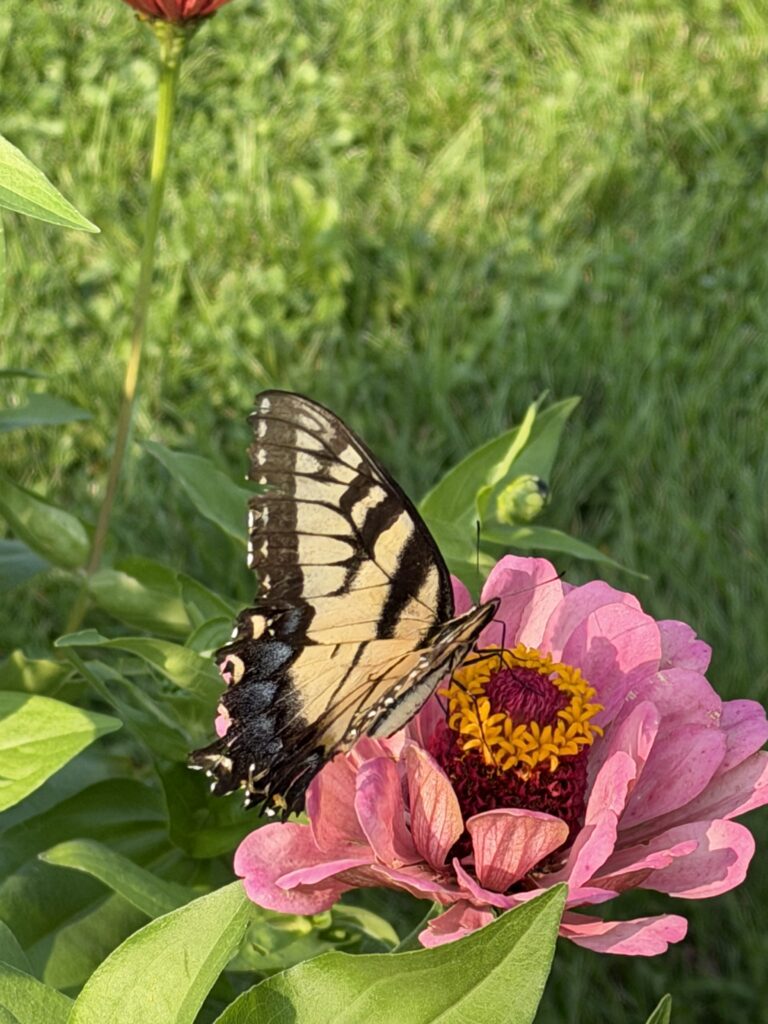
Bouquets of zinnias
Apples, apples and more apples, apple pie!
Celery for cooking needs
Carrots for cooking needs
Bell and hot peppers for cooking.
Garden Talk:
As the garden season draws to a close, I find myself exhausted from the work. Even the joy of gardening has stopped sparking. I take a good, long look at everything we have grown and ask myself whether the resources we invested this garden season resulted in the greatest possible nutrition for our family.
Once again, I vow to focus more on sustenance crops next season. Sustenance crops often require less labor while providing equal, or even greater, nutrition.
Making the Most of Our Gardening Efforts
This vow brings me to something I feel is important to discuss, especially for people who might not enjoy gardening but still want to grow food for their families.
How can you make sure that all your gardening efforts provide the greatest possible nutrition for your family? By focusing majority of your efforts on sustenance crops.
What Are Sustenance Crops?
Sustenance crops are often confused with survival crops. Sustenance crops are somewhat different from historical survival crops. Survival crops are foods grown during an emergency to help people endure a crisis, such as war or famine. Their purpose is to help people get through an immediate and difficult circumstance.
In contrast to survival crops, sustenance crops are intended to provide daily, long-term nourishment. They form the foundation of a family’s nutrition, particularly in regions where winters are long and harsh or there is an extended dry season, and the soil remains dormant for many months. When combined, sustenance crops can contribute to complete and balanced nutrition for the family throughout the year.
For our family, sustenance crops are crops that meet several important criteria:
They Grow Well in Our Region
Sustenance crops must grow well in our region and match the length of the growing season. Perennial sustenance crops must also be suited to the hardiness zone, and soil preferences must be taken into consideration.
They Store Passively
Sustenance crops must have excellent long-term storage qualities, providing whole-food nutrition throughout the winter without requiring canning, refrigeration, or freezing. They should be suitable for preservation through curing or cellar storage.
They Provide Abundant Nutrition
While survival crops focus on calorie density to prevent immediate starvation, sustenance crops take a broader view of nutrition. They provide essential vitamins and minerals that support long-term health.
They Are Perennial or Easy to Propagate
A sustenance gardener does not want to depend on purchasing seeds every year. Therefore, a sustenance crop should either produce abundant, stable seeds or be perennial. Examples include corn, sorghum, and beans; tubers such as potatoes and beets; and perennial trees such as apple or nut trees.
Crops our family grows as part of our sustenance plan:
White potatoes
Sweet potatoes
Squash
Apples
Dried beans
Addressing Gaps in Fats and Protein
One nutrient category that many crops do not provide in sufficient amounts is fat, along with protein. Dried beans are an excellent source of alternate protein for our family, but fats are largely lacking if we needed to depend on a plant-based diet.
Considering Nut Trees
Nuts can provide essential fats, making nut trees worth considering as part of a sustenance garden plan. The nut trees most commonly found in our area that are hardy enough to grow are black walnut and butternut.
Black walnut trees grow wild but harvesting them is labor-intensive. They also have a pungent, bitter flavor that most of my family finds unpleasant.
The butternut tree, sometimes called the white walnut tree, is said to have a flavor more like the English walnut than the black walnut. That flavor profile would be much more appealing to our family. However, wild butternut varieties have been almost completely eradicated by a disease known as butternut canker. As a result, only hybrid varieties, such as the Baurtnut, are recommended.
Our Current Priorities
Since our land grows sufficient grass for our cows, which consume it and turn it into a wonderful source of fats and protein through milk and beef, cultivating nut trees is not high on our list of priorities right now.
For someone who owns land in an HOA that may limit which animals are allowed, or for someone with limited space, nut trees could be a great solution for securing sustainable sources of protein and fats.
As always, self-sufficiency is a worthwhile goal, and homesteading can be a fulfilling lifestyle. However, remember that heaven is the ultimate goal, and living with an eternal perspective is the best way of life.
Thank you for following along with my Garden Diary. I appreciate you!
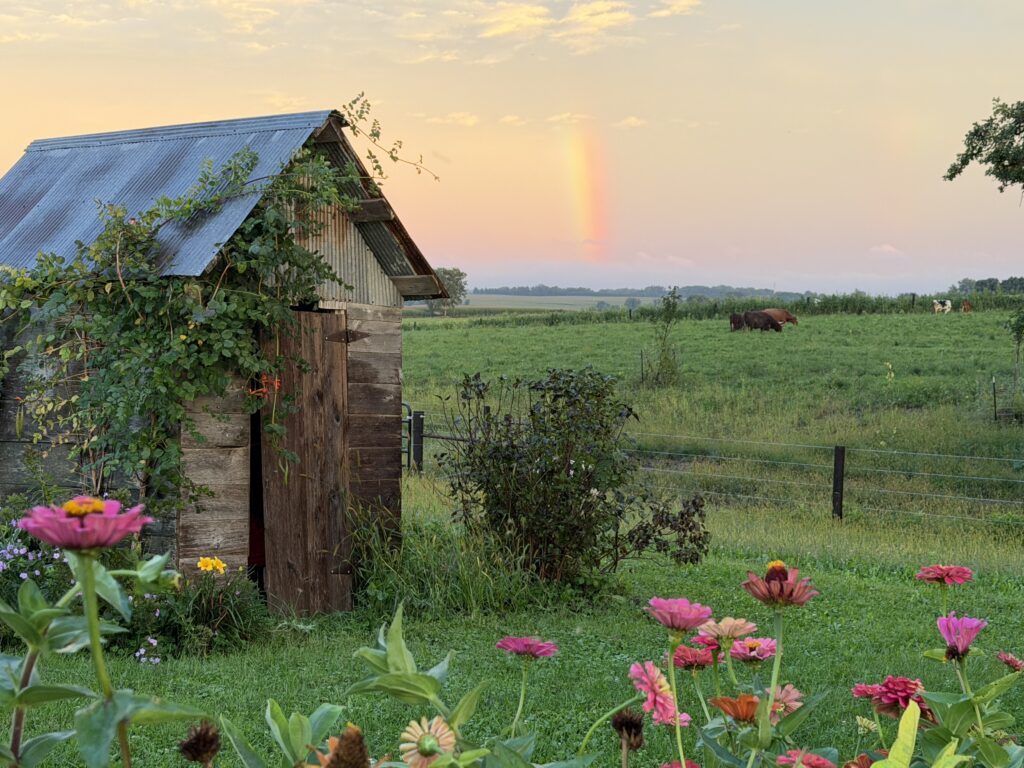
I love your videos and blog. I hope to have land in the near future. I learn so much from you. I’ve screen shot a picture of your garden shed. I plan for one too. Flowers and all. Praying your family is continued with blessings.
Thank you so much for your tome this season. I canned 60 jars of potatoes so far . its potato harvest here and the framers donate many hundreds of pounds to our churches. As I am the cook for our church meal ministry (meals on wheels) I will have enough to share with the other cooks thru out the winter. The farmers grow Ranger Russets for OreIda and Simplot for chips and frozen market.
I found they are low in starch so no need for soaking for a long time and can wonderfully, Thank you for the video. Praying you have a very blessed winter. Rest up,
I enjoy your you tube programs immensley!! I am canning new (to me) things all the time.
You are doing a wonderful job raising your children, teaching them the important things in life.
Thank you! Keep up the good work!
You are an inspiration!
I understand the reduced energy for the final harvest work. The excitement of planting and watching the garden grow has fadded for me too. From isn’t the garden great! To, oh my, when will i find time to get this all put up. Our children have grown, we no longer have foster kids around the table so you’d think i’d plant less. Our grandchildren like to play in the garden… but think of doing much work there as a chore they don’t do at grandma’s. So why do I plant so much, i ask myself. Sending home produce or even canned items with my grown children is also a chore. You are not alone in the burn out. I too will reevaluate the size and variety of my 2027 garden, fingers crossed I can cut back for a reduced labor intensive fall.
I enjoy reading your emails, your garden journal entries and all the videos I’ve found and watched. I appreciate your energy, love of family and willingness to share. Thank you
My, my my! Here in Central VA, we are weeks, if not months, from the end of our growing season. But I understand we all deal with the cards we are dealt, especially in growing things. It’s just a reminder of the vastness and difference of this country I so love. Finding joy in every season is my goal at this age and stage of life. I pray your family has it’s needs supplied in abundance.




6 Responses
I love your videos and blog. I hope to have land in the near future. I learn so much from you. I’ve screen shot a picture of your garden shed. I plan for one too. Flowers and all. Praying your family is continued with blessings.
Thank you so much for your tome this season. I canned 60 jars of potatoes so far . its potato harvest here and the framers donate many hundreds of pounds to our churches. As I am the cook for our church meal ministry (meals on wheels) I will have enough to share with the other cooks thru out the winter. The farmers grow Ranger Russets for OreIda and Simplot for chips and frozen market.
I found they are low in starch so no need for soaking for a long time and can wonderfully, Thank you for the video. Praying you have a very blessed winter. Rest up,
I enjoy your you tube programs immensley!! I am canning new (to me) things all the time.
You are doing a wonderful job raising your children, teaching them the important things in life.
Thank you! Keep up the good work!
Thank You Ruth!
I love all the information you share. I have been learning a lot from your videos.
You are an inspiration!
I understand the reduced energy for the final harvest work. The excitement of planting and watching the garden grow has fadded for me too. From isn’t the garden great! To, oh my, when will i find time to get this all put up. Our children have grown, we no longer have foster kids around the table so you’d think i’d plant less. Our grandchildren like to play in the garden… but think of doing much work there as a chore they don’t do at grandma’s. So why do I plant so much, i ask myself. Sending home produce or even canned items with my grown children is also a chore. You are not alone in the burn out. I too will reevaluate the size and variety of my 2027 garden, fingers crossed I can cut back for a reduced labor intensive fall.
I enjoy reading your emails, your garden journal entries and all the videos I’ve found and watched. I appreciate your energy, love of family and willingness to share. Thank you
My, my my! Here in Central VA, we are weeks, if not months, from the end of our growing season. But I understand we all deal with the cards we are dealt, especially in growing things. It’s just a reminder of the vastness and difference of this country I so love. Finding joy in every season is my goal at this age and stage of life. I pray your family has it’s needs supplied in abundance.