September 20th -27th, Week 26
RuthAnn’s Weekly Garden Diary
Documenting Progress and Reflections in the Garden
My attempt to document the planting, growth, harvesting, and preserving of our family’s 8000 square feet of garden.
Northeast Iowa Gardening in growing zone 4
Last frost date May15, First frost date September 15
September 20th -27th, Week 26
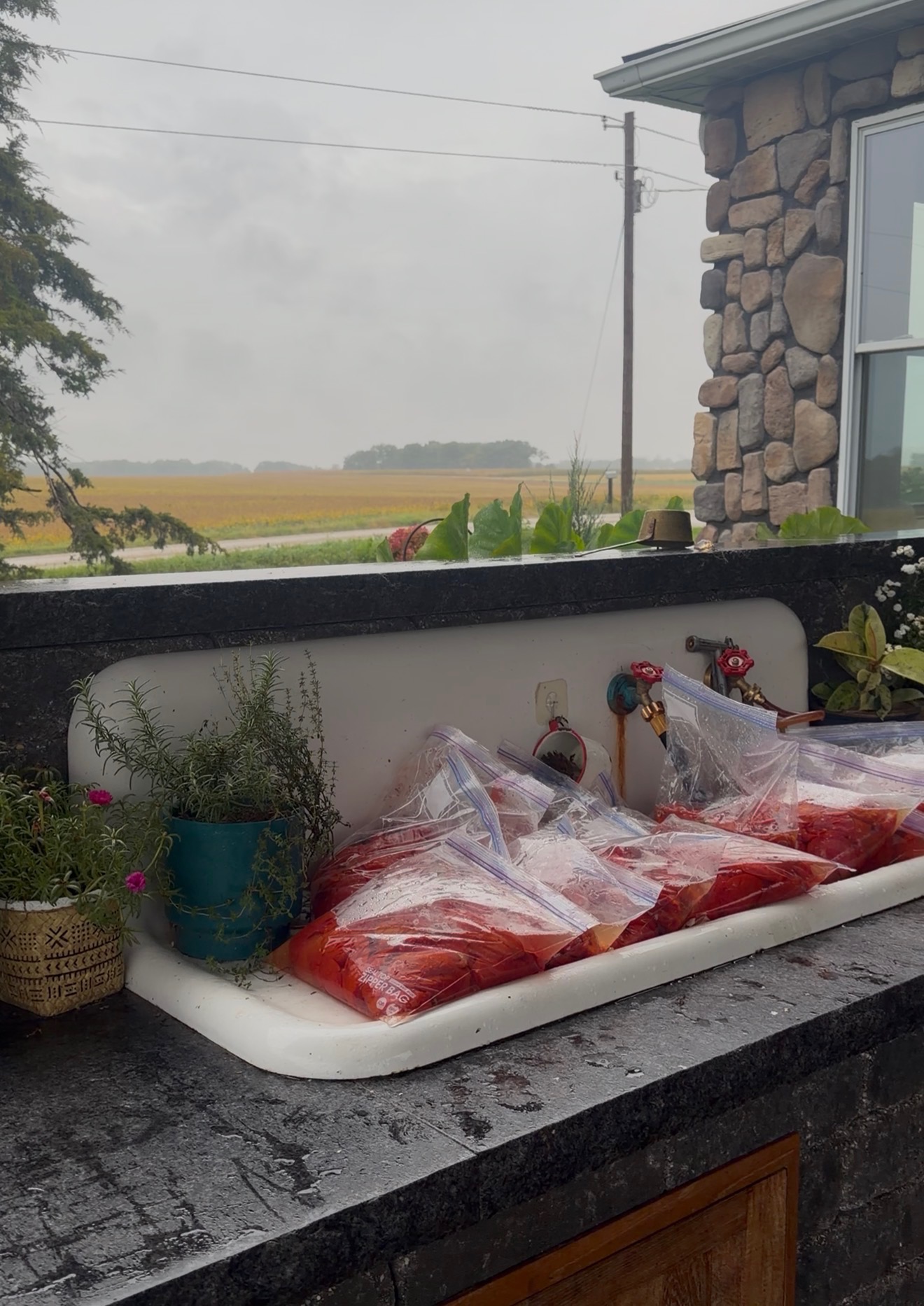
Another week of rain and overcast skies left our gardening spirits feeling dull and unmotivated.
What we harvested this week:
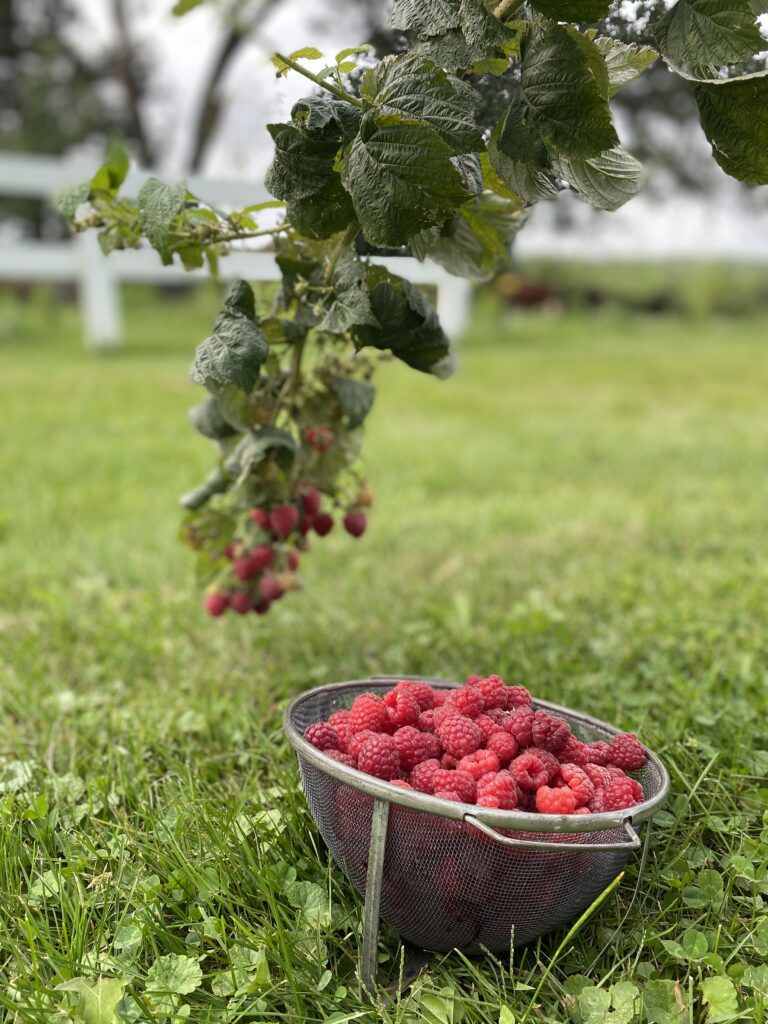
- Hands full of red raspberries for fresh eating
- Bouquets of zinnias
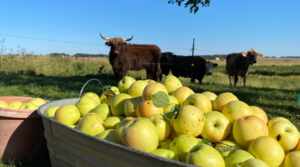
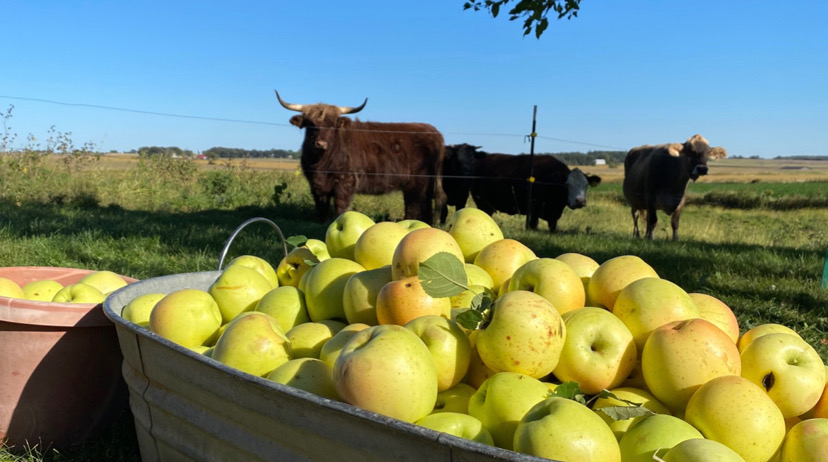
- Bowls full of Jonagold apples we picked up from the ground and dehydrated for winter snacks.
- Celery for cooking needs
- Carrots for cooking needs
No Preservation Happened This Week, But here is what is still in the garden:
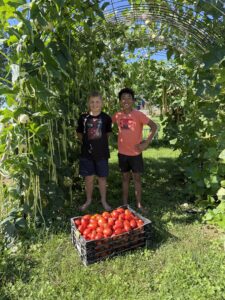
A few Roma tomatoes are still hanging on the vine.
Many yellow cherry tomatoes!
The late-planted potatoes still have green foliage, and I am praying they have not rotted from all the rain we have had.
Squash is hanging from the trellis, and the vines have taken over that entire area.
Yard-long and Tarheel beans are waiting for sunny days to dry on the vine.
Silver King corn is drying down, and the cobs are beginning to droop.
Sorghum plants are drying down, and the seed heads are beginning to hang heavy.
Garden Talk:
With so much still waiting in the garden and the season clearly winding down, one big job is moving to the front of my mind: putting the garden to bed for winter.
How we put the garden to bed varies from year to year, depending on how much time we have, what the weather is like, and whether we have had a killing frost.
That end-of-season work always makes me reflect on where I may have used more resources than necessary. This week, it also reminded me how much our ancestors foraged and relied on perennial plants.
Perennials are an excellent choice for anyone starting a homestead. Their deep roots support nutrient-rich growth and long-lasting harvests, and many heirloom varieties are still available to home gardeners. They also spare you some of the yearly stress of starting seeds and getting the garden planted.
With that in mind, here are my top perennial picks for building a more reliable, lower-maintenance homestead garden.
My Top 10 Perennials For a Low Maintenance, Homestead Garden
Heirloom ever-bearing raspberries
Easy to maintain, abundantly productive, and among my top three healthiest berries!
I often suggest these raspberries to beginners because they adapt well to poor soil, are self-supporting, and need minimal pruning. Just trim them back to 8–12 inches in the spring, and they will produce many large red berries from late July through the first frost. They are hardy in zones 4–8 and are available through Stark Bro’s Nursery as Heritage red raspberries. Once established, they spread easily, so I suggest treating them a bit like mint and planting them in a space all their own. Because they multiply so readily, you can start this abundant crop very economically by buying a few plants and then transplanting the volunteers into your row over the next few seasons. In four to six years, you can have an abundance of red raspberries.
Heirloom fruit trees that are hardy in your area
Fruit trees take a few years to become established, but then they can produce thousands of pounds of fruit over many seasons. Try to avoid dwarf, new, or exotic varieties when long-term production is your goal. Full-size trees take longer to establish, but they usually produce for many more years than dwarf varieties.
Of course, fruit trees can feel intimidating at first, especially because pruning seems complicated.
But once you understand why pruning is necessary, growing fruit trees becomes much less overwhelming.
Commercial growers prune to manage fruit size. Removing the smaller, productive branches helps the tree direct its energy into fewer fruits, allowing them to grow larger. Many homesteaders are less concerned with producing large, flawless fruit for market and more focused on nutrition. For a beginner homesteading arborist, simple pruning for balance and strength is often enough to support a healthier, longer-lived tree.
Rhubarb
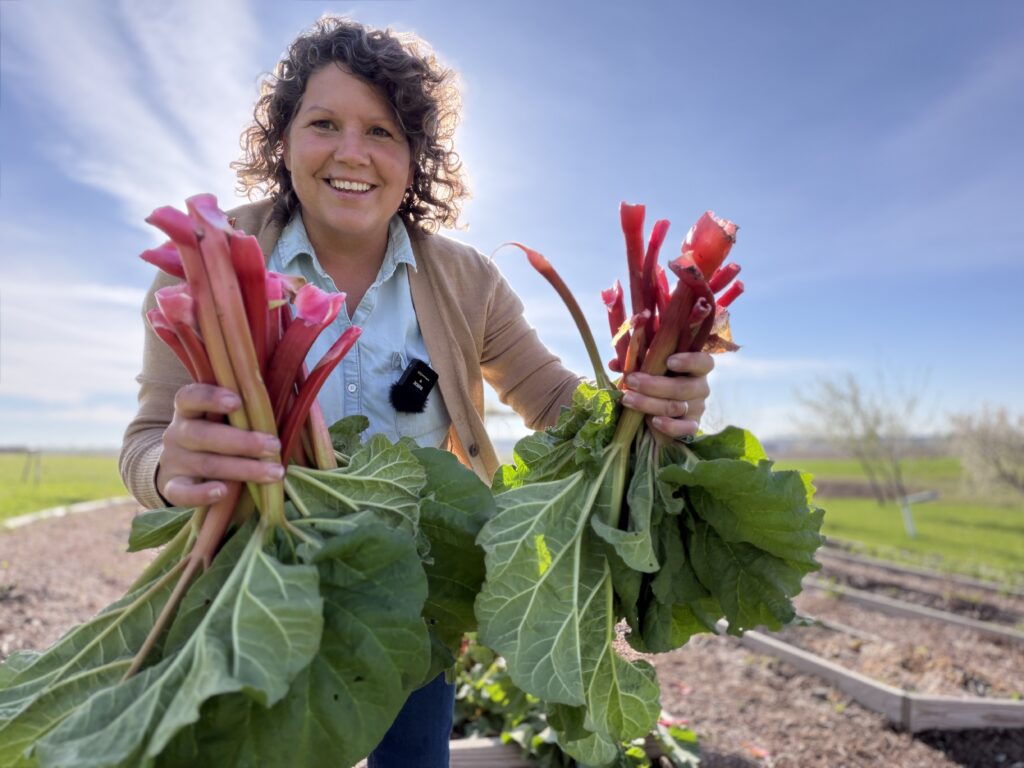
Some rhubarb plants are older than the houses they grow beside! It is not unusual to find rhubarb crowns that are 50 years old or more, and these are the plants I recommend getting starts from. High in vitamin K and fiber, rhubarb loves chilly weather, and the colder the winter, the happier it seems to be. It thrives in zones 3–8 in fertile, well-drained, sandy soil, which makes it an excellent candidate for raised-bed gardens. Rhubarb endears itself to me by being the first thing we harvest from the land in the spring. Cut or pull the stalks, remove the leaves, place the leaves around the plant as organic mulch, and use the stalks to make delicious sweet-tart desserts. After June 21, we stop harvesting our rhubarb so the plant has ample time to establish plenty of foliage and store the energy it needs to survive the next winter.
Asparagus
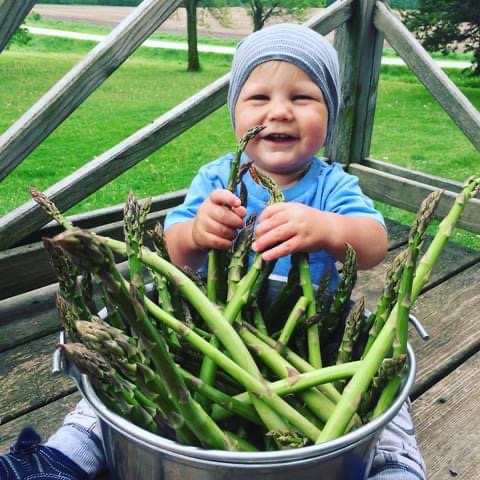
I do not currently have an asparagus patch because the area where it once grew is now pasture. The cows ate all the asparagus greens, so the plants did not have enough energy to survive the winter and slowly died out.
Even so, my plan is to establish a new asparagus patch soon because the payoff is tremendous. Many of our children do not care for asparagus, but that is mostly because I served it so rarely that they never had a chance to develop a taste for it. As our family grows with sons- and daughters-in-law and grandchildren, it makes sense to grow asparagus even if fewer than half of us enjoy it. Hardy in zones 2–9, asparagus can produce for 15–20 years, making it a crop worth learning to appreciate.
Rich in antioxidants, vitamin C, vitamin K, and folate, this hardy perennial thrives in well-drained, loamy soil and loves the nutrients provided by plenty of organic matter.
Horseradish
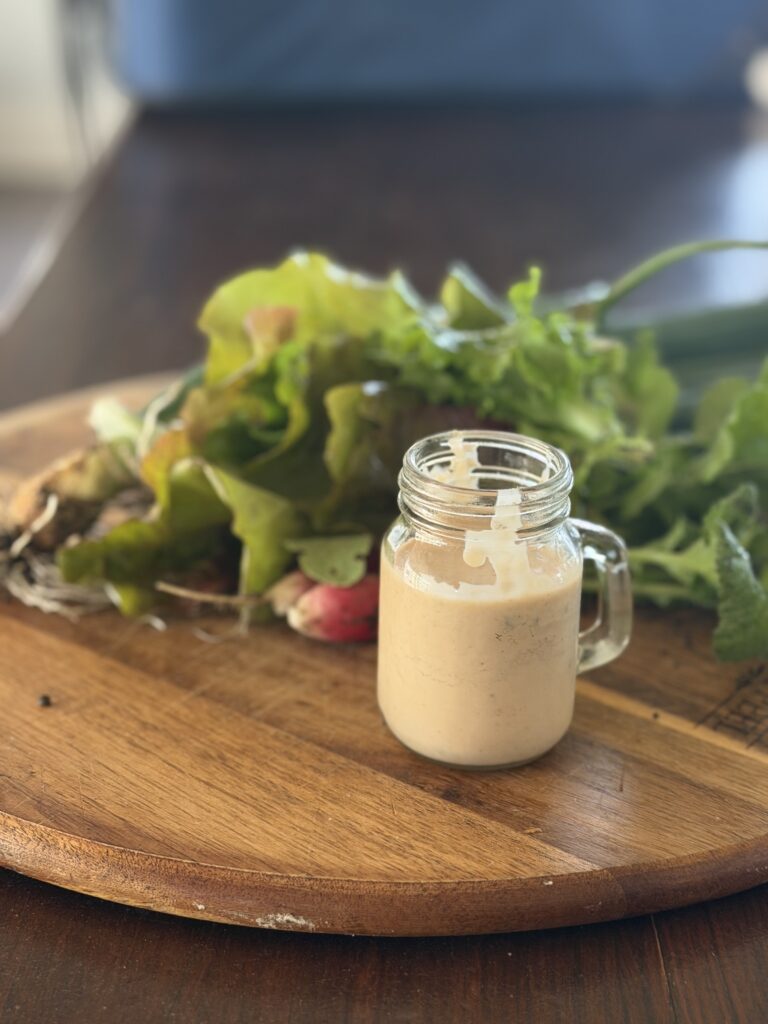
Horseradish is so vigorous it can almost become a problem and does not even need a garden to thrive. Leave even a small piece of root in the ground, and it will return as a strong plant the following spring. One plant can take over an entire garden bed in just a few seasons, so I grow mine beside the garden shed with the mint and keep it controlled by mowing. Our family uses the roots for horseradish sauce and our recent favorite, creamy prime rib sauce. Because horseradish has natural decongestant compounds and is high in vitamin C, we also use it in large batches of fire cider, our favorite home remedy for respiratory illnesses.
Beyond the old standbys, there are a few perennials I am new to and excited to establish on our homestead for their nutritional value and ease of growing.
Garden Sorrel
I think we will love these lemony, tangy greens because they grow long before other salad greens are ready to harvest. Their early arrival will make up for the fact that they have a stronger flavor profile than the greens we usually harvest later in the season. This nutrient-dense leafy green is hardy in zones 3–9.
Lovage
I want to grow this perennial herb as a replacement for planting celery each year. With a flavor profile similar to celery but dialed up a few notches, lovage is an heirloom plant our ancestors depended on for flavoring soups and stocks. It is rich in antioxidants and anti-inflammatory compounds, and it is high in minerals and vitamins C and K. Lovage prefers fertile, moist soil that retains water, such as compost-rich soil. Because it has a long taproot and can grow up to six feet tall, it is best suited for the edge of an in-ground garden or even as a decorative plant against a building. It is hardy in zones 4–8 and blooms with yellow flowers in late summer.
Water cress
I think this peppery mustard-family green could make a perfect perennial crop without a lot of cultivation, and it might grow well at the edge of our pond. It is a nutritional powerhouse and ranks as one of the world’s most nutrient-dense vegetables, featuring significant amounts of vitamins A, C, and K1. It thrives best in cool, shallow, running water with fertile soil and grows in zones 3–11. I am not entirely sure our pond is a perfect fit for watercress, but because of its nutritional value, it is well worth a try!
Caucasian Mountain Spinach
Imagine a spinach that can live for 50 years and climb 6–10 feet tall with support! Hablitzia, or Caucasian Mountain spinach, is a perennial spinach that produces tender, bitterness-free leaves in early spring and tolerates shade well. Hardy to zone 3, this crop is known as one of the oldest hunger-gap crops because it begins producing long before most gardens are thawed enough for seeding Bloomsdale spinach. It can be tricky to start from seed, so my goal is to find a gardener willing to share starts.
That is my working list for now. If you have successfully grown any of these crops, especially the ones I am hoping to try, I would love to hear what worked well for you.
Thank you for following along with my Garden Diary. I appreciate you!
Other Recent Posts
Most Recent Posts