Documenting Progress and Reflections in the Garden
My attempt to document the planting, growth, harvesting, and preserving of our family’s 8000 square feet of garden.
Northeast Iowa Gardening in growing zone 4
Last frost date May15, First frost date September 15
July 5th to July 11th, WEEK 15
We have officially entered the Jungle stage of the garden! Here is how I know:
When I am working in the garden the family cannot see me and ends up hollering for me all over the property! When I emerge from the jungle all sweaty and red in the face, they sometimes mistake me for a strange jungle creature.
I am constantly trying to keep the more aggressive crops from molesting their neighboring crops. Separating the cucumbers from the squash, keeping the tomatoes inside their cage and from shading the red beets.
What we harvested this week:
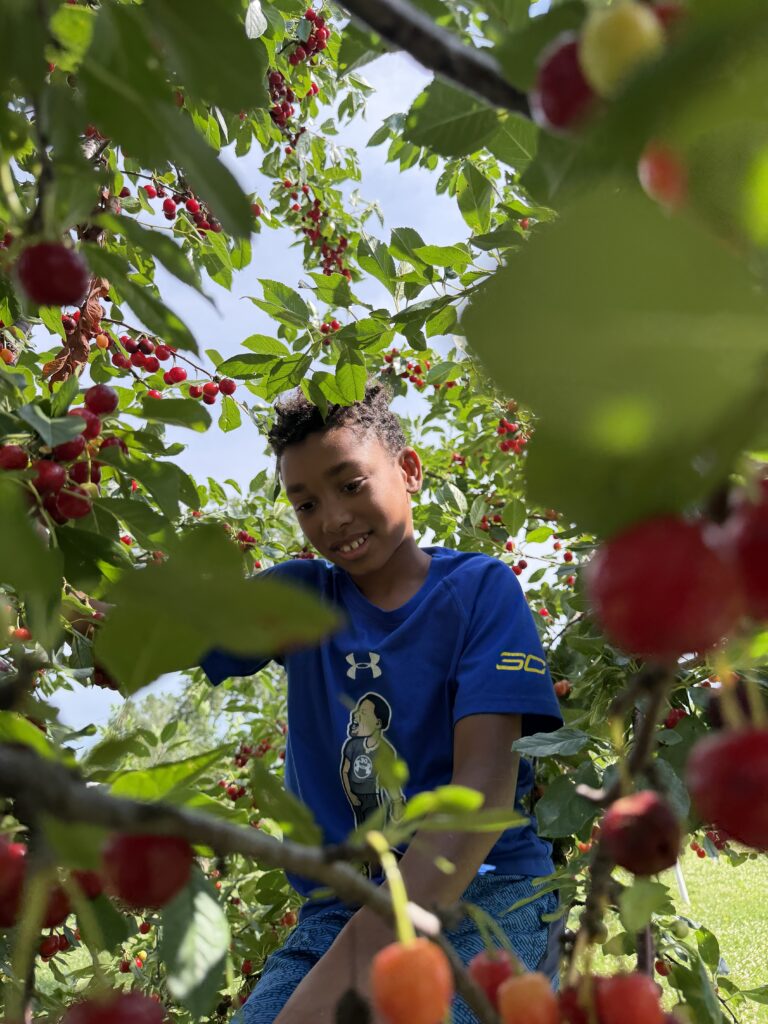
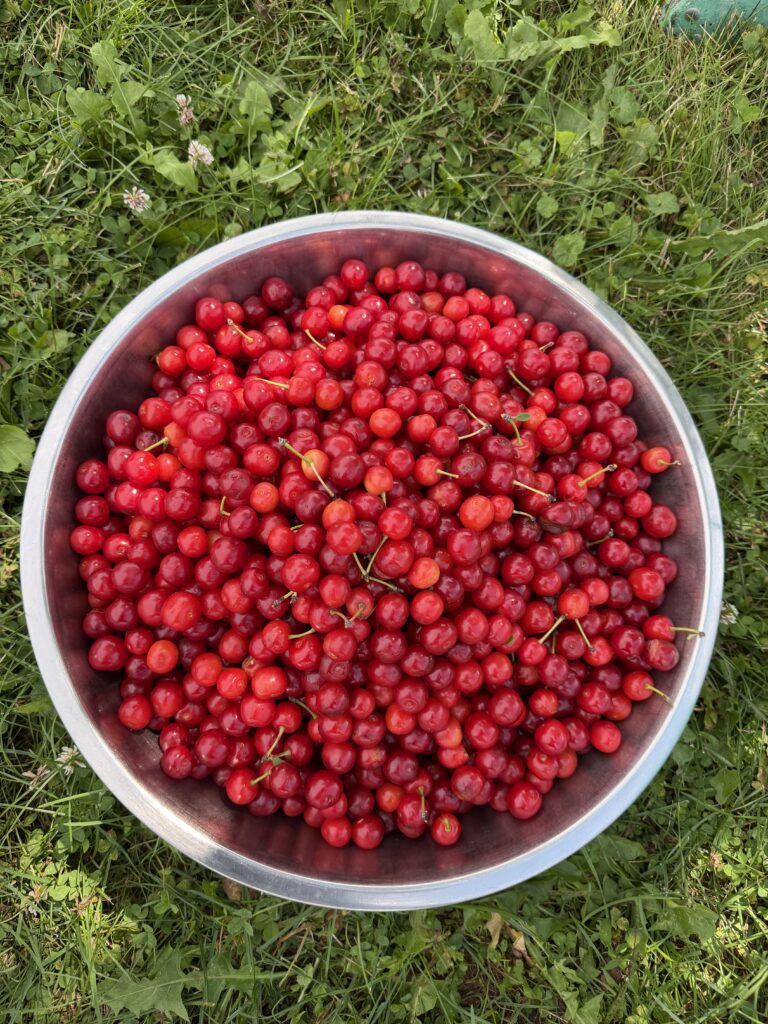
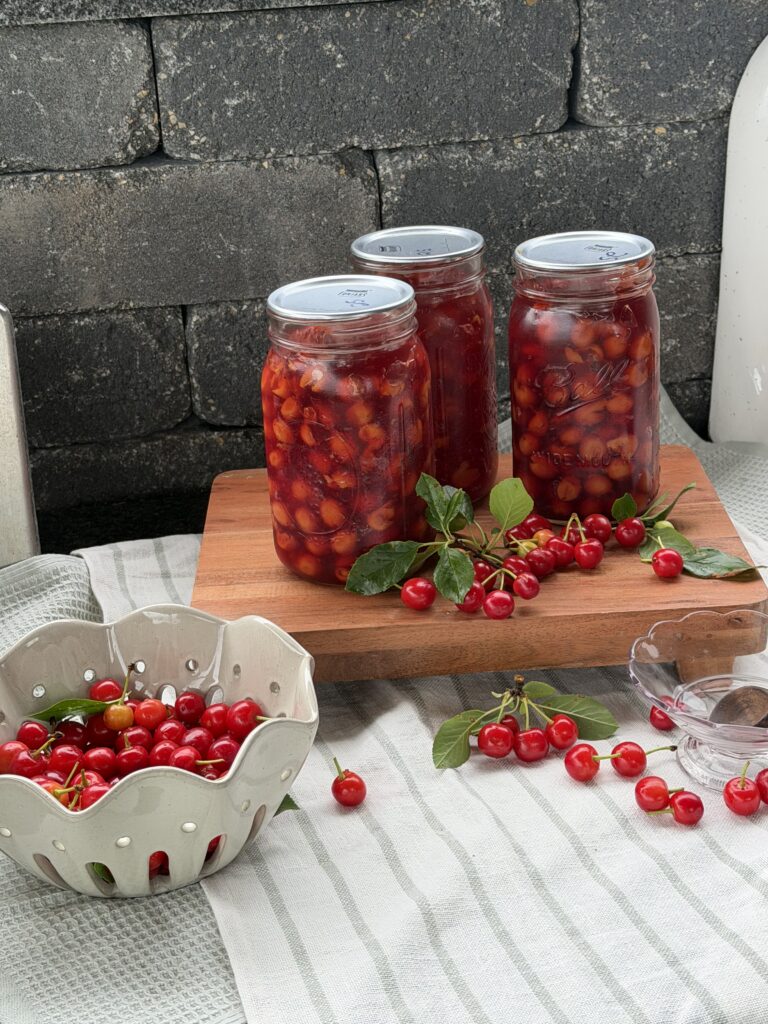
30 pounds of sour cherries that we preserved into pie filling and tart cherry juice. (Here’s a video from 3 years ago on how we can Cherry pie filling)
Red raspberries, by the handful for snacking and for smoothies.
Early red potatoes for fresh eating.
Cucumbers, as many as we can possibly eat, as snacks with dip, making cucumber salads and fermented 4.5 quarts of pickle spears. Some giant ones got fed to the pigs and chickens.
1 head of cabbage for coleslaw.
Red beets, a couple meals worth of buttered beets.
Other Garden Tasks:
We had guests every day this week and were helping our oldest daughter and her family move into their new house, consequently, I didn’t get to spend as much time in the garden as I normally do and any work I did get done was a little bit of maintenance work to keep things in check.
Also, the midday heat and humidly are cramping my usual gardening style and whatever work we don’t get done in the cool of the morning or cool of the evening doesn’t get done!
The late potatoes we planted where we tore out the English peas have sprouted so I checked those daily for Colorado potato beetles and removed any that we could find.
Watered my new strawberry plants daily to try to get them started in 85°F heat.
Weeded and mulched the single row of green beans that has sprouted.
Trimmed the edges of the garden where the grass and creeping Charlie was creeping in.
Noteworthy:
The onion tops have started falling over, this is a sign that the plant is mature, and the bulb of the onion is pulling nutrients from the foliage into the bulb. Biologically the onion wants to reproduce and the extra nutrients in the bulb will help support the new onions that will eventually sprout alongside the main bulb. Because we want onions to store for winter use, we will interrupt this reproduction cycle and harvest the onions once the foliage is brown but not brittle, capturing all the nutrients for our own winter nutritional needs.
The potatoes have lost their green color and are looking yellowish as like they are blighted! Because they are also a root crop they are working on the same. The nutrients that they collected in their foliage is being drawn down into the potatoes. These nutrients would eventually support new potato plants, but we will also harvest these potatoes for our winter nutritional needs! Besides, potatoes left in the ground will freeze here in our zone and if they didn’t freeze would attract rodents to the garden.
Reflections
For many years now I have been fascinated with learning about soil health. Mostly by watching firsthand how my practices affect the health of my crops and the harvest I get.
One of the things I have learned recently is this:
A healthy soil can accelerate how fast my crop matures!
A healthy and active microbiome in the soil means that the soil is actively breaking down organic matter into micro and macro nutrients that are readily available to crops in a balanced form.
When crops have balanced and readily available nutrients there are little to no setbacks or stress periods and every day is simply a growing and maturing day!
No garden is a perfect Eden; we live in a fallen world after all. Here are some setbacks that I have witnessed in my garden soil and the steps I take to prevent or recover from these types of setbacks.
The Setback:
2-4 inches of heavy rain have fallen in a short amount of time, diluting the microbiome and nutrients in the soil causing my plants to be stressed, and vulnerable to disease. Many gardeners will recognize the yellowing of the foliage as too much water. What we are really seeing is a plant starved for nutrients because they have been washed away or diluted by heavy rain or overwatering.
Prevention or Recovery:
Make sure all exposed soil is covered with organic matter whenever possible to help rain trickle down through the organic mater in a gentle and natural way helping the microbial communities to stay intact rather than getting rinsed out and diluted. Be careful to not overwater your garden if you live in an area that requires watering.
The Setback:
Unusually high temperatures causing soil temperatures to get too warm, killing the microbiome of the soil and starving your plants of nutrients.
Prevention or Recovery:
Again, cover the soil with organic matter whenever possible or plant crops close enough that they create a shade canopy. A shade canopy can keep the soil as much as 15 degrees cooler than soil exposed to the sun and is very effective at protecting soil microbiome. I use a shade canopy method for my sweetcorn and other large row crops like early potatoes because it is easier than organic matter for a large area.
The Setback:
Depleted soil. This is usually the soil where I have grown my sweet corn. Sweet corn is a heavy feeder and takes massive amounts of nutrients, like nitrogen and potassium, from the soil. Anything that I plant in that area the following season is sure to have a slow start and be stressed.
Prevention or Recovery:
Plant enough sweet corn to last us two years giving me a whole season to amend the soil that grew the sweet corn or be intentional about my crop rotation, planting peas where the sweet corn was because peas are a nitrogen fixer. This means they are excellent at taking atmospheric nitrogen, rather than nitrogen from the soil, and converting it into fertilizer that gets absorbed through foliage. For the soil to absorb this nitrogen the pea plants need to be allowed to decompose on the soil. Cutting down the pea plants after they are done producing and using them as organic matter is a great method to help rebuild the soil after raising an intense crop like sweet corn.
Thank you for taking the time to read my thoughts about gardening. We live in an imperfect world, so there is no flawless garden or gardener who knows everything. One day, when we reach Heaven, we will have perfect gardens free of any toxins. Until then, I will continue to praise Him in my imperfect garden within this fallen world.






One Response
Your sour cherries are the BEST I ever saw! God has blessed you with an abundance of cherry pie! Yum!