
May 17-23, Week 8
RuthAnn’s Weekly Garden Diary
Documenting Progress and Reflections in the Garden
My attempt to document the planting, growth, harvesting, and preserving of our family’s 8000 square feet of garden.
Northeast Iowa Gardening in growing zone 4
Last frost date May15, First frost date September 15
May 17th-23rd, Week 8
Two inches of May rain revived everything, weeds included.
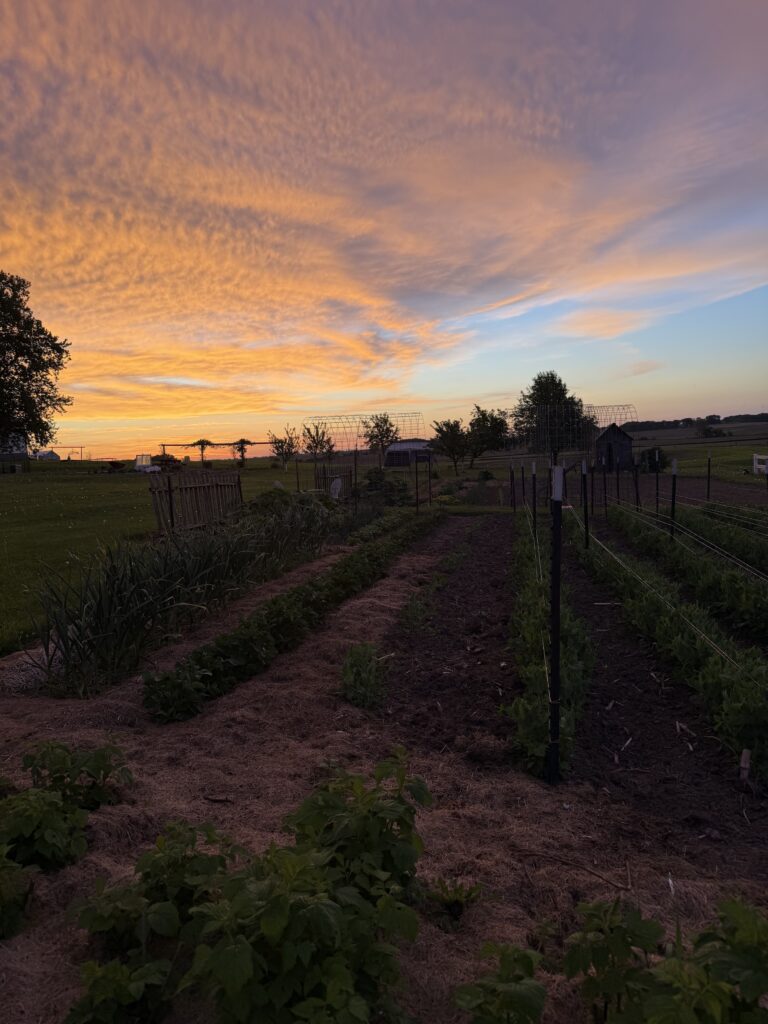
What I planted this week:
On the archway trellis:
- 15-20 seeds of Tarheel pole beans (for fresh eating and dried navy type beans)
- 15-20 seeds of Yard Long beans for (fresh eating and for dried black beans)
- 10 seeds of Tromboncino squash (for fresh eating, winter storage and for animal feed)
In the main garden area:
- 30 feet of sorghum seeds that I grew last year. (for animal feed)
- 8 hills of Hickory King corn (for animal feed)
Fun planting:
- Zinnia seeds in every open space!
- A row of Cracker Jack marigolds along the north edge of the garden.
What we harvested:
- 2 lbs. of French breakfast radishes: (you can find the video of what we did with them here)
- Bowls of spring mix (cut lettuce and spinach) for salads.)
We also finally trellised the English peas! We pounded 3 steel T-posts into each 30-foot row. Then strung baling twine (bought a giant roll from a farm supply store a few years ago) between each post approximately 2-3 inches between each twine.
You might be asking, why grow animal feed? Or wondering at the small amount of animal feed and how it benefits the homestead. Here’s where we are at:
We currently, with Elvin working full, time don’t have the resources to grow all our own animal food, but I am learning what I can about varieties and saving the seeds so that I am ready if one of the children or Elvin would decide to ‘farm’ some of our crop land in the future.
Here is a little bit about each variety of crop I planted for the animals.
Tromboncino squash: This squash, because it is an heirloom variety and has complex sugars is much less vulnerable to insects like squash bugs or other pests that affect more modern, hybrid varieties. The Plant rows vigorously with little to no tending. The squash grows very large, up to 3 feet long and often we get multiple wheelbarrow loads of squash from 5-10 plants. I plant to put another hand full of seeds on our compost pile for another crop of carefree animal feed.
In its young, tender stage, 10-15inches long, the tromboncino squash is used like a summer squash and, in my opinion has a much more buttery and full flavor profile than the modern varieties of summer squash or zucchinis.
When the Tromboncino squash is mature it will store like a winter squash for up to two years. In my experience it stores better than modern varieties like the Butternut.
We store crates of squash in a cool dry place (our shop) and feed them to the pigs and chickens all winter long as a supplement to their regular feed and to cut down on the winter feed bill. We also use them for human consumption in the same way we would use any winter squash, even for making pumpkin pies and other pumpkin desserts. We rough cut into large chunks for the pigs and smaller slices for the chickens. Fow ruminants you need to smash them fine to prevent choking.
Tromboncino squash in its mature stage are rich in carbohydrates, giving a much-needed energy boost that helps animals stay warm when fed in wintertime. Also, a great source of fats and proteins. My favorite reason to feed squash? Their seeds help naturally manage intestinal parasites.
To save the seeds: I save one of the best-looking squashes, cut it open, scoop out the seeds and let them dry on a paper towel for a few days and then plant them!
Hickory King Corn: A 150-year-old Appalachia Heirloom corn known for its reliability in poor soils and less than ideal climates. Over the years it has become popular on self-sufficient homesteads because of its durability and multi-purpose functions for both humans and livestock.
My introduction to Hickory King corn was when someone gifted me some at a seed exchange! I planted my seeds at the edge of my regular sweet corn and was shocked at how tall the corn grew! 12-15 feet tall when mature! The cobs were 6-8 feet from the ground, and I had to cut down the stalks to harvest the cobs!
This corn, because of massive stalks and foliage is an excellent choice of animal feed: In its green stage (green chop) providing an excellent boost of hydration in late, hot summer when pastures are often dry. The foliage is an excellent source of sugars providing immediate energy. Growing this corn insulates livestock owners against late summer droughts.
When fully mature, the cobs are harvested for the animals. We store the cobs in a cool dry place, hanging upside down by their husks for winter feed. The dried cobs provide an excellent source of carbohydrates and protein for pigs and chickens. We throw the whole cob to the pigs; we shell and crush the kernels for the chickens.
For Humans, this corn is the old fashioned, gold standard for hominy, masa, and tortillas, none of which I have tried but would love to in the future.
To save seeds I simple shell some seeds from the best-looking cob and put them into the soil. This corn has a 90–110-day maturity date, this means, in my area, I need to plant as early as possible and pray for a late fall frost.
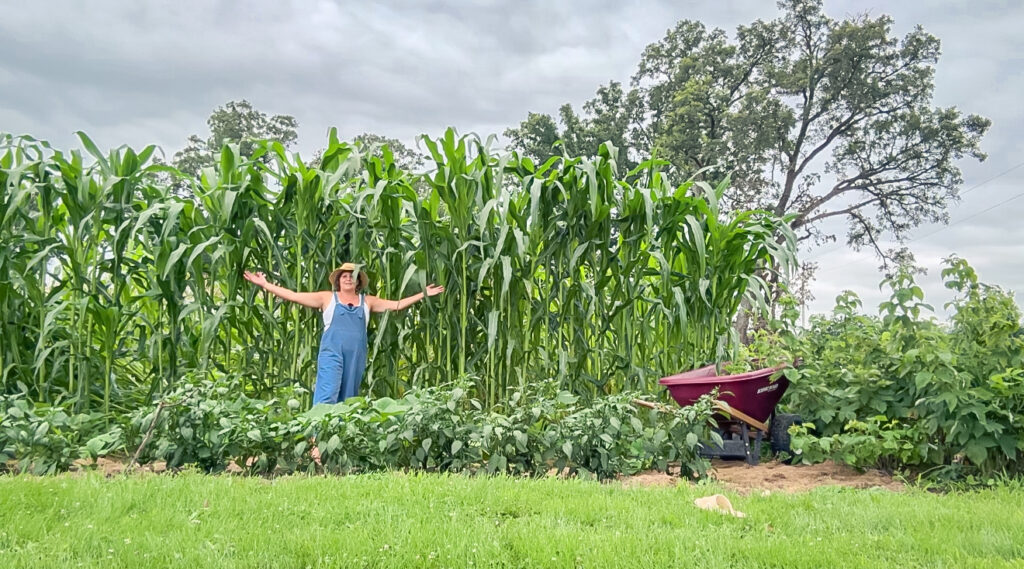
Sorghum: I am not completely sure what variety of sorghum I have as the original seeds were a gift and only marked ‘sorghum’.
The reason for growing sorghum is that it is highly drought resistant and like corn provides hydrating ‘green chop’ during the growing season and especially in late summer when our area is most likely to experience insufficient rainfall. Sorghum requires 30% less water than corn does. It requires less nitrogen than corn does and produces more forage than other traditional forage grasses. It is often planted as grazing forage. Because Sorghum is a short season crop it can be harvested as ‘green chop’ more than once in a growing season providing an extra insulation against drought. Sorghum is very similar to corn in its nutritional profile but provides a little more protein than corn foliage does.
The seed head of sorghum, also known as Milo, are a high energy, nutrient dense grain offering nutritional benefits like corn.
We allow some of our sorghum to mature then harvest the seed heads and hang them upside down like corn cobs. We feed the seed heads, whole, to our chickens in wintertime. Because chickens have a gizzard that easily grinds up the tender seeds there is no need to grind the seeds first, making this a very high energy, and carefree winter feed for the chickens. Milo seeds should be ground before feeding to other animals to increase the available nutrients.
To save the seeds I simply gather the seeds from what we have stored and plant them directly into the soil.
We are far from completely self-sufficient in livestock feed but each year we buy less feed than the year before even when our herds and flocks increase in size. I am confident that slowly but surely, we are learning the art of sustenance farming/gardening.
Reflections
It is easy to imagine and work towards complete self-sufficiency and talk about it with pride and a feeling of accomplishment! It is easy to imagine and work towards independence from the grocery store or the feed mill and the freedom it will bring. It is a worthy and inspiring dream that we have. But we must give Glory and Honor where it is due. Without God’s inspiration I would have none of these dreams. It is His goodness in me that inspires me to steward the gifts of the earth and its fertility with great tenderness! Without His grace in my life, I wouldn’t be able to recognize that all good and perfect gifts are from Him and only Believing in His son and the death on the cross do I gain eternal life. It is not through any heirloom variety of foods or any organically grown foods that we gain eternal life.
So it is with great thankfulness and humility that we work this little corner of God’s great creation, doing the very best with the knowledge that He has given us, passing that knowledge on to the next generations until such a time as he takes us home to Heaven where there will be no tears, no disappointments and no more weeds, No droughts, no floods and no more storms. But if we labor here on this earth there will be not one perfect growing season. Striving for a perfect growing season under our own power is simply a trick from the enemy to encourage us to take our eyes off cultivating the spiritual garden in our hearts that grows fruit for the kingdom.
James 1:17
Every good and perfect gift is from above, coming down from the Father of the heavenly lights, who does not change like shifting shadows.

16 Responses
I didn’t read all of your post, but s you talked about corn i thought about silage. It’s that the same milage.? I’m fin Wisconsin, and I remember the silage bins and I loved the smell. I’m 81 so don’t do gardening. I did start a green stalk for herbs and flowers on my sun porch.
As always thank you for sharing ♡
“But if we labor here on this earth there will be not one perfect growing season. Striving for a perfect growing season under our own power is simply a trick from the enemy to encourage us to take our eyes off cultivating the spiritual garden in our hearts that grows fruit for the kingdom.
-Thank you for that. It gave me goosebumps as I read it, because it is exactly how I feel, but didn’t have the words to express. Blessings and diligence.
I learned of tromboncino squash from you. I grew 2 vines in my small, backyard, suburban garden last summer. Because I have so little room, I had to train the vines to climb on the fence between my yard and my neighbor’s yard. I started late, so I harvested only 3 squash — and they were beautiful! I still have one. It is in perfect condition after 8 months at room temperature. I saved seeds and started them early this year. I have set them out and am hoping for a larger harvest this year.
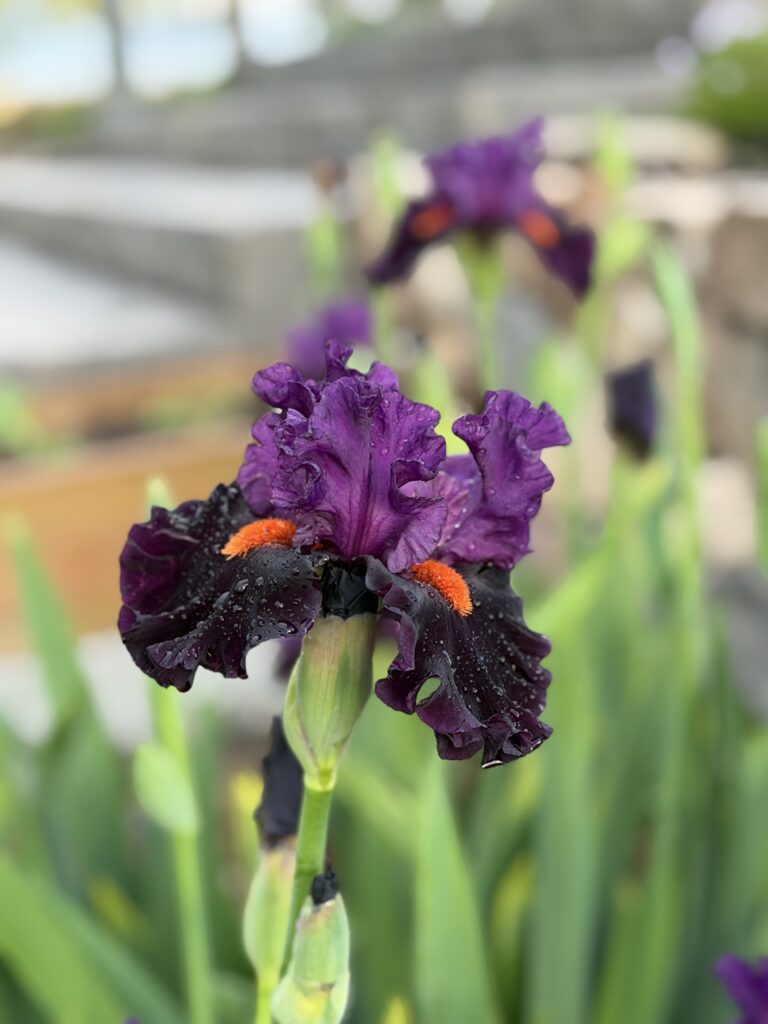
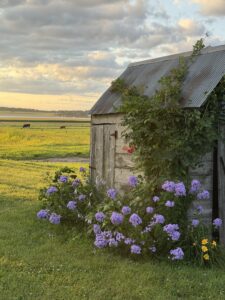
N joy your picture of the iris, how classy it looks! This year I have bright yellow iris my neighbor lady shared with me, now I can share them with others. Don’t you just love this about gardening and a community!
Thank you. I am enjoying your garden diary very much.
Is it possible to get some heirloom seeds from you.
Flowers, veg?
I live in the city but I have a little veg garden.
But I love flowers! And I have 4 gardens.
That iris looks beautiful that you posted.
Thanks so much for your wisdom on your YouTube videos. I watch them all the time.
I feel like I’m apart of your family and your my friend.
God Bless You and your family
Thank you for this article and the Godly wisdom at the end. I have similar goals but am not as far along as you are. Your posts give me hope that I am not too late!
My Mom grows the squash, she calls it Italian squash. It is our favorite when it is green. Lots of “meat” in that squash!! I love watching your YouTube videos and following you on IG!!
Thanks for sharing your farm and life with us!!
Thanks to you, I now know what this Iris is really called. My Mother gifted me some bulbs years ago. She did not know what the actual name of the Iris was, she just called it, “Elvis”. She told me that she called it Elvis because she couldn’t imagine a better looking fella! Thank you for all that you share with us, your videos and posts are always so beautiful and such a blessing to us all.
Reading your Reflections brought tears of joy and love for our Heavenly Father and the work he is and has done thru you for your family and all of us that follow you! Glory be to God!
You and your family are truly beautiful people. I am so inspired by all that your family accomplishes, together. I’m a 60 year old gramma of a four year old (don’t feel old) and would love to instill all that I am learning from you to her. She’s always eager to help me in my small garden when she visits, which includes feeding the backyard birds, and would love to pass down that knowledge to her as my legacy. Thank you, Ruthann!
Thank you for writing this it is greatly appreciated. For I have learned so much from you .We to are working towards self sufficiency as well. We are on Cape Breton Island, Nova Scotia, Canada.
Thank you again, keep up the great work & may God bless you.
Great information. I always enjoy your wonderful video’s! Thank you!
Amen! Amen! Amen!
Amen! I’m looking forward to no more weeds! I do think that being too focused on self-sufficiency can prevent us from realizing how very dependent we are on God for even the breath we breathe, so it’s good to remember that He is the Giver of our abundance. Thank you for ending with a devotional thought.